Reviewed by Tamir Rubin, Head of Product at iPREP • Updated July 2026
What is the Birkman Method?
The Birkman Method is an untimed workplace personality assessment that measures typical behaviors, underlying needs, stress reactions, and interests. Test-takers complete 298 questions, including True/False “I…” and “Most people…” statements plus ranking-style preference items, often finishing in about 30 minutes.Birkman Question Types
“I…” and “Most people…” statements
Assesses: self-report
- Mark True/False for brief statements
- Compare self-view versus “most people”
- Reveal usual behaviors and interaction style
- Indicate needs for effective work settings
- Flag likely stress reactions at work
Ranking-style questions
Assesses: preferences
- Rank options from most to least
- Show interests across job-related activity areas
- Force trade-offs when choices feel equal
- Prefer genuine choices over ideal answers
Test Duration
Total time: no time limit (untimed).
The questionnaire is 298 questions and untimed. Most people finish in about 30 minutes, but pacing can vary by administrator and report type. Plan one uninterrupted sitting.
Test Breakdown & Sample Questions
The Birkman Questionnaire is an online, self-report assessment that typically includes 298 questions and takes about 30 minutes to complete. It is not a pass/fail test—your goal is to answer honestly and consistently.
Question formats you may see
Most forms of the questionnaire include a mix of:
- Short statements where you choose the option that fits you best
- Preference/ranking items where you order options from most to least preferred
Exact wording and item mix can vary based on the form and report type used by your organization.
“I…” and “Most people…” style statements
Many statements are designed to capture:
- Your usual style and interaction patterns
- The conditions you tend to need from others to feel effective and satisfied
- Work-related preferences and motivators
- How you may respond when you’re under pressure or stressed
Sample statements
| Statement | True | False |
|---|---|---|
| I get worried about deadlines at work. | □ | □ |
| I don’t think much before speaking. | □ | □ |
| Most people feel comfortable with new people. | □ | □ |
| Most people believe that they are more competitive than others. | □ | □ |
Ranking-style questions
You may also see items where you rank choices in order of preference. The best approach is to pick what you’d genuinely choose first (not what you think you “should” choose).
Sample ranking question
Which job do you prefer?
Rank the job titles in order from most desired to least desired.
- Sales Manager
- Engineer
- Math Teacher
- Author
Birkman method breakdown
The Birkman Method was developed by Roger W. Birkman and is used to summarize patterns in how people typically behave, what they need from others, and what kinds of environments and tasks they tend to prefer.
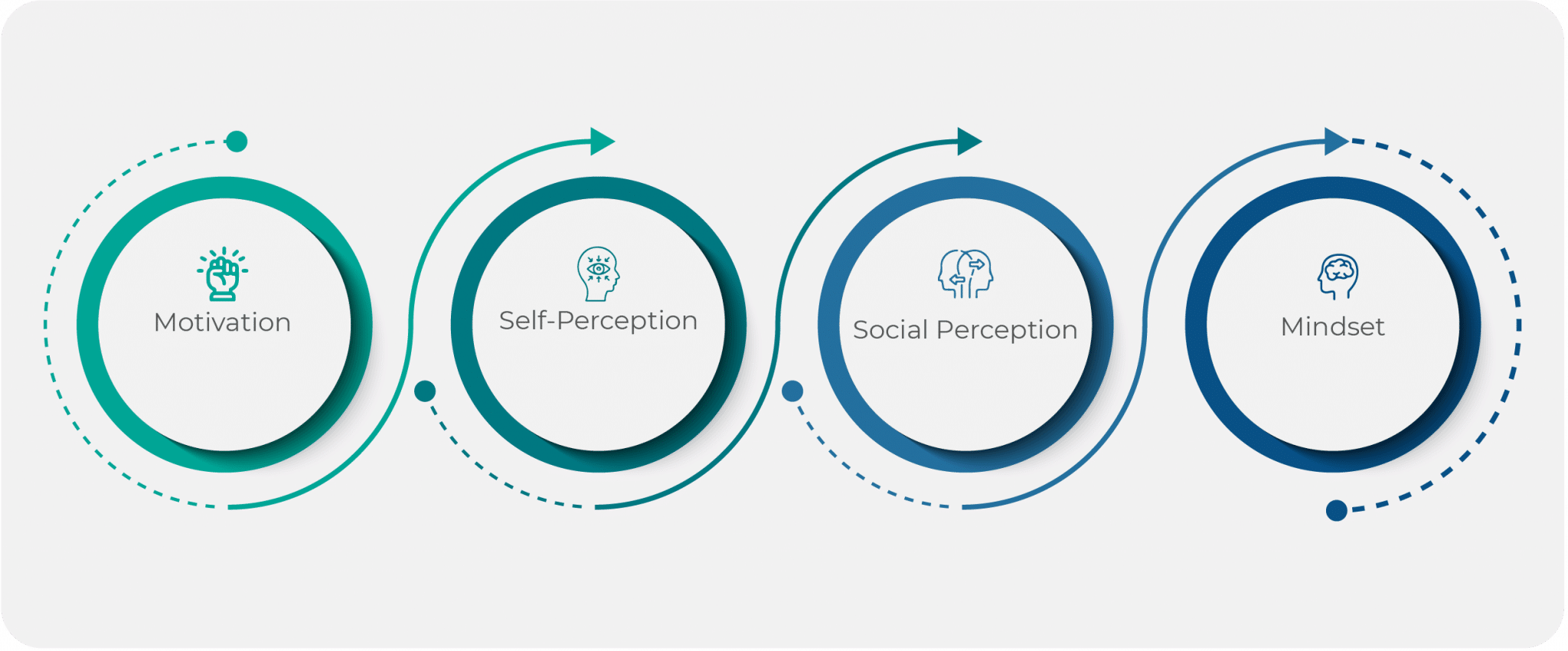
Some materials group results into broad perspective areas (names can vary by report), such as:
- Motivation and interests
- Self-perception
- Social perception
- Mindset or beliefs
Personality perspective comparison table
| Perspective | What it helps you measure | What it identifies |
|---|---|---|
| Motivation | Interests in different kinds of work activities | What tends to energize you vs. drain you |
| Self-Perception | How you typically see your own style at work | Common strengths you believe you bring |
| Social Perception | How you tend to interpret people and situations | What you may expect from others |
| Mindset | General assumptions that shape your reactions | Patterns that can influence choices under stress |
Did you know?
The Birkman Assessment is an online questionnaire that typically includes 298 questions and takes about 30 minutes to complete, using items that explore how you describe yourself, how you think “most people” tend to behave, and your work-related interests and preferences—then summarizes your results in a report commonly used for coaching, development, and workplace conversations (the exact report type can vary by the organization or consultant who administers it).
Birkman Preparation Strategies
The Birkman Assessment is not a pass/fail test. It’s designed to help an employer (or coach) understand your typical behaviors, preferences, and workplace needs so they can make better decisions about fit, development, and team dynamics.
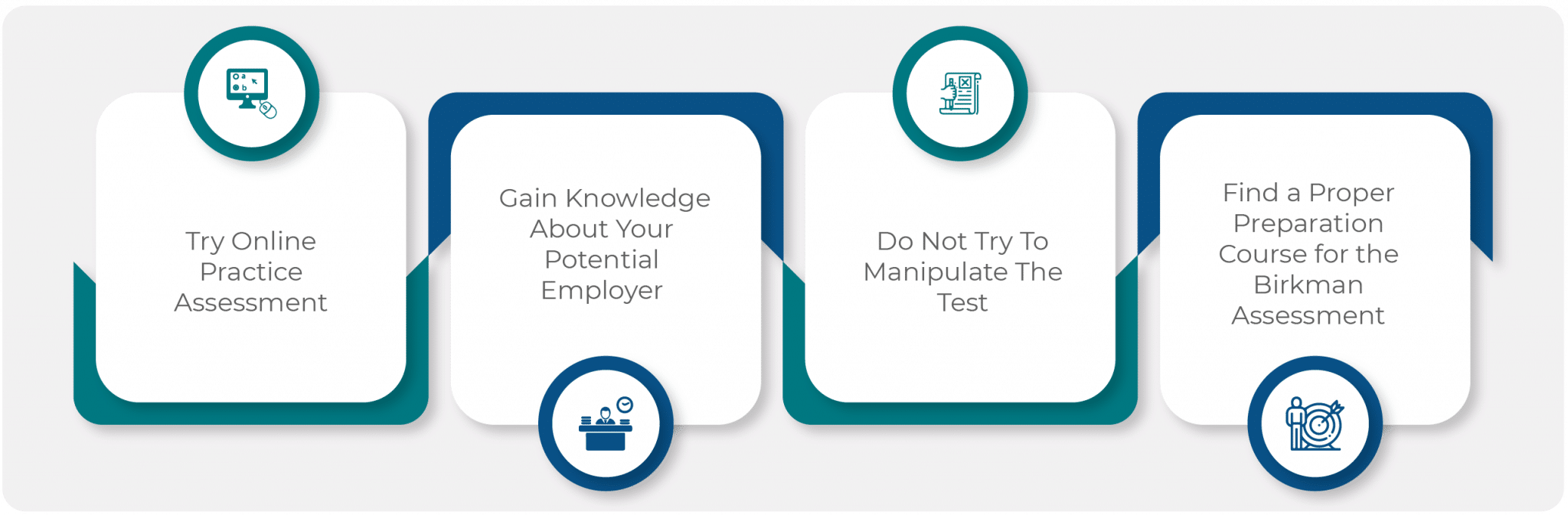
The best “strategy” is to answer honestly and consistently. Trying to force a perfect profile can backfire, and it can also set you up for a role or environment that doesn’t actually suit you.
You can still prepare in practical ways:
- Get familiar with the experience
If you’ve never taken a personality-style questionnaire, try a few general practice personality assessments online to get used to the pace and style of questions. They won’t be identical to Birkman, but they can reduce surprises. - Understand the role and the company
Review the job description, responsibilities, and the company’s culture and values. This helps you reflect on whether the environment fits you—and helps you answer with real context in mind. - Don’t game the assessment
Avoid answering based on what you think the employer wants. Inconsistent or overly “ideal” answers can reduce the usefulness of the results and can place you in a role that creates unnecessary stress later. - Use reliable prep materials only
There’s a lot of misinformation about “how to beat” personality assessments. If you use prep resources, focus on understanding the format and how to stay consistent—not on changing your answers.
Birkman Test Features
Birkman Personality Assessment Fast Facts
- Questionnaire length: Typically 298 questions
- Time: Not a timed exam; most people complete it in about 30 minutes
- Delivery: Administered online
- Languages: Available in 25 languages
- Results: Delivered in a report format; report layouts and visuals can vary by the report type and administrator
What the results can help highlight
Birkman results are often used to summarize patterns such as:
- Your work-related interests and preferences
- Your usual style and strengths
- Your workplace needs (conditions that help you perform at your best)
- Your likely stress reactions when needs aren’t met
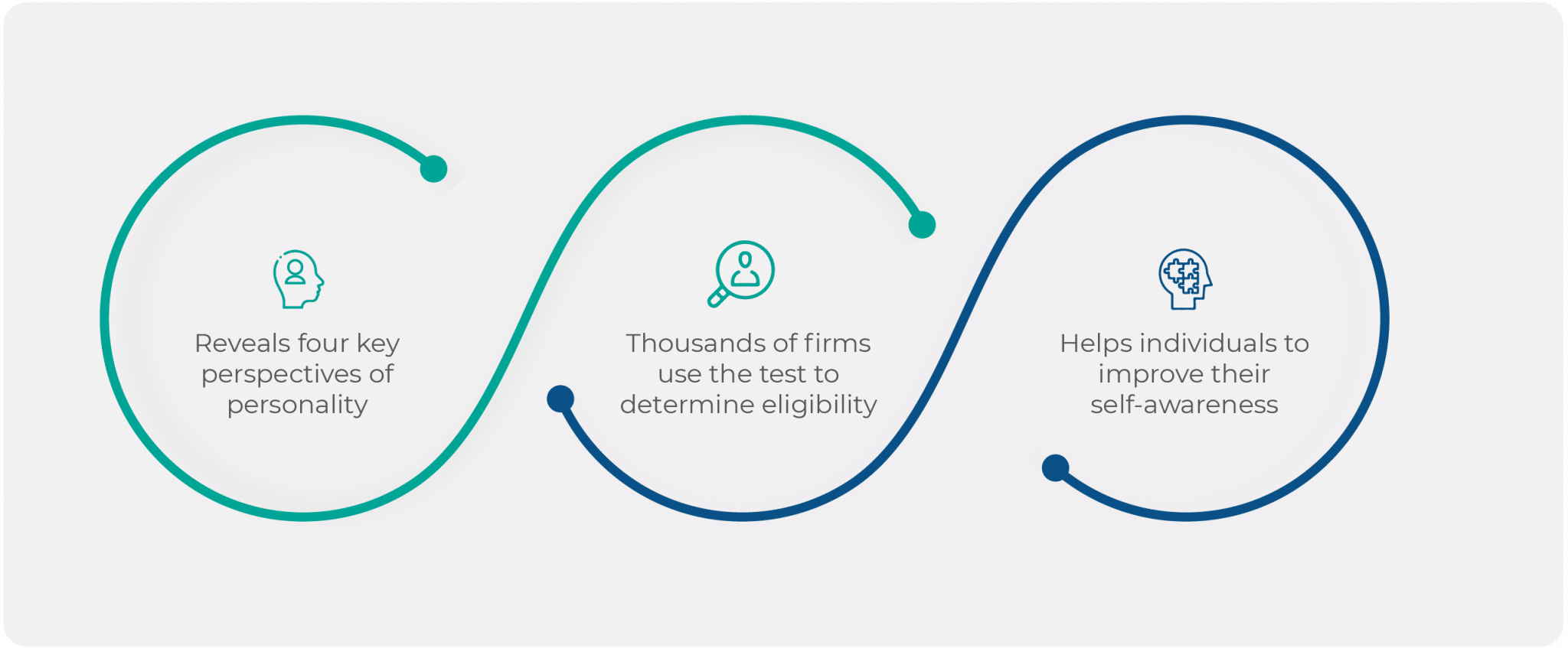
“Four perspectives” framing (used in some materials)
Some resources describe Birkman results using four broad perspective areas (terminology can vary by report), such as:
- Motivation
- Self-perception
- Social perception
- Mindset
These labels are commonly used to organize insights about what drives you, how you see yourself, how you interpret situations and others, and what assumptions may shape your reactions.
Employers who use the Birkman assessment
Birkman is used by many organizations for hiring-related decisions and development, but specific company-name lists change over time and aren’t reliably verifiable. A safer way to describe usage is:
Organizations may use Birkman to support:
- Hiring and role-fit conversations
- Team communication and collaboration
- Leadership development
- Employee engagement and retention
- Reducing conflict and improving alignment
Benefits for individuals
For individuals, Birkman can support practical self-awareness by helping you identify:
- How to communicate your needs more clearly in teams and with managers
- What motivates you at work
- What environments help you thrive
- What tends to drain you or trigger stress
Technical Facts
The Birkman Method components
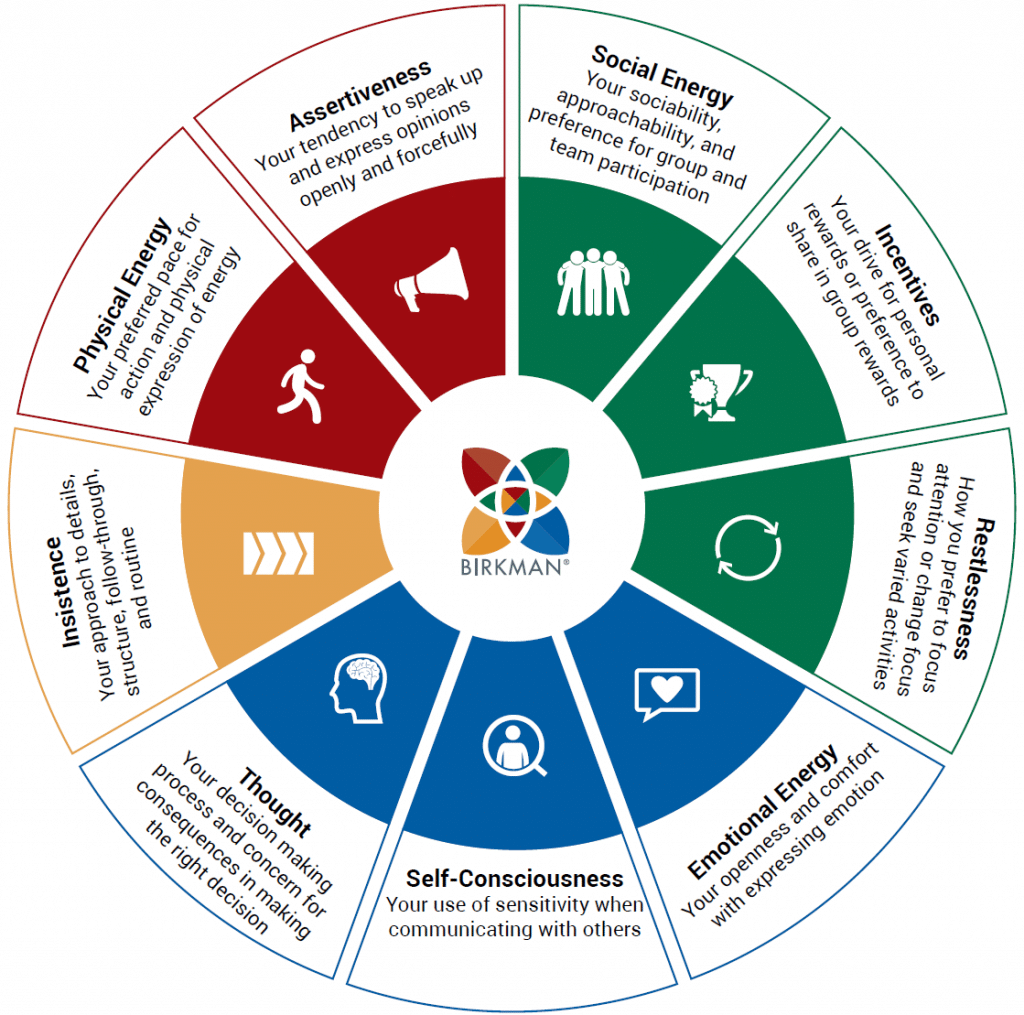
The Birkman Method is often described as measuring three related areas—Usual Behavior, Needs, and Stress Behavior—to help explain how you typically operate, what supports you at your best, and what may happen when key needs aren’t met.
Many Birkman reports organize behavioral results into nine Components, such as:
- Social Energy
- Physical Energy
- Emotional Energy
- Self-Consciousness
- Assertiveness
- Insistence
- Incentives
- Restlessness
- Thought
Birkman Interests
Birkman also commonly summarizes work preferences across 10 interest areas that can be compared with roles and environments.
| Scale | What it measures (in simple terms) |
|---|---|
| Administrative | Preference for service, coordination, and administrative support work |
| Artistic | Preference for visual design, creative production, and aesthetics-focused work |
| Literary | Preference for reading, writing, editing, and language-focused work |
| Musical | Preference for music-related activities and involvement in musical arts |
| Numerical | Preference for math, data, accounting, finance, and quantitative analysis |
| Outdoor | Preference for hands-on, nature/outdoor, building, or animal-related activities |
| Persuasive | Preference for influencing, selling, presenting, negotiating, and leading |
| Scientific | Preference for research, applied science, and medical/allied science activities |
| Social Service | Preference for helping, guiding, teaching, counseling, and community support |
| Technical | Preference for mechanical/technical work, troubleshooting, and building/repair |
Mindset perspectives
Some Birkman reports include Mindset/Perspectives scales that reflect general viewpoints about yourself and others. Names and presentation can vary by report type, but commonly referenced perspectives include:
| Perspective | What it reflects |
|---|---|
| Self-Affirming | How positively you view yourself and your own intent |
| Others-Affirming | How positively you tend to view others |
| Image Management | How much effort you put into managing how you’re seen |
| Distinctiveness | How different you believe you are compared with others |
| Alignment | How aligned your self-view is with common expectations or norms |
| Social Acuity | How closely your read of others matches how others are commonly perceived |
Reliability and use of results
Birkman is designed to produce consistent, usable insights for development and workplace conversations. Results are best interpreted as patterns and tendencies—not fixed labels—and are most useful when discussed with context (role, team, and environment).
Language and geography
The Birkman questionnaire is administered online and is available in 25 languages, making it accessible worldwide.
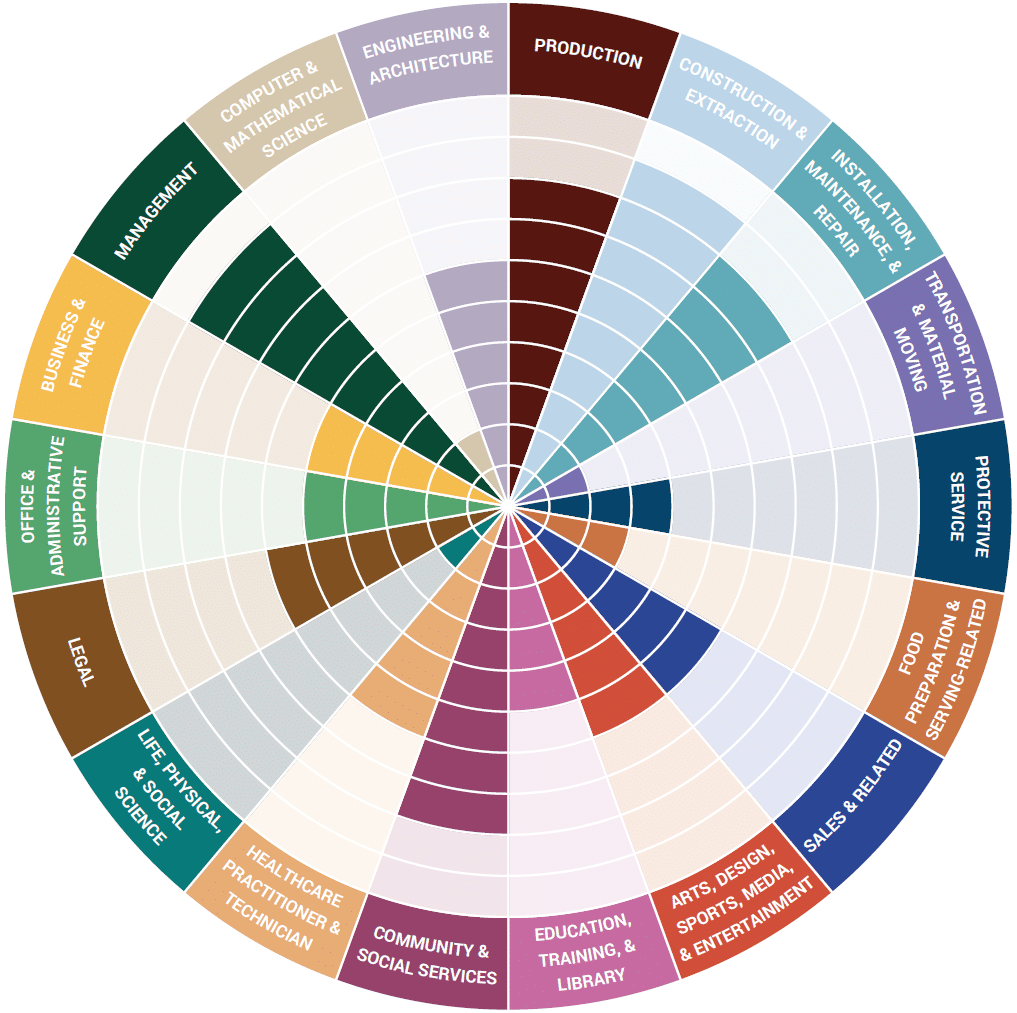
Results Scale and Interpretations
Birkman results analysis
Birkman results are designed to be descriptive—not “good” or “bad.” Your responses are compiled into one or more reports that summarize patterns in your interests, behavioral style, workplace needs, and how stress may shift your behavior. Employers may use these insights as one input in hiring or development, alongside other information about the role and team.
Birkman Map explained (what you’ll see in many reports)
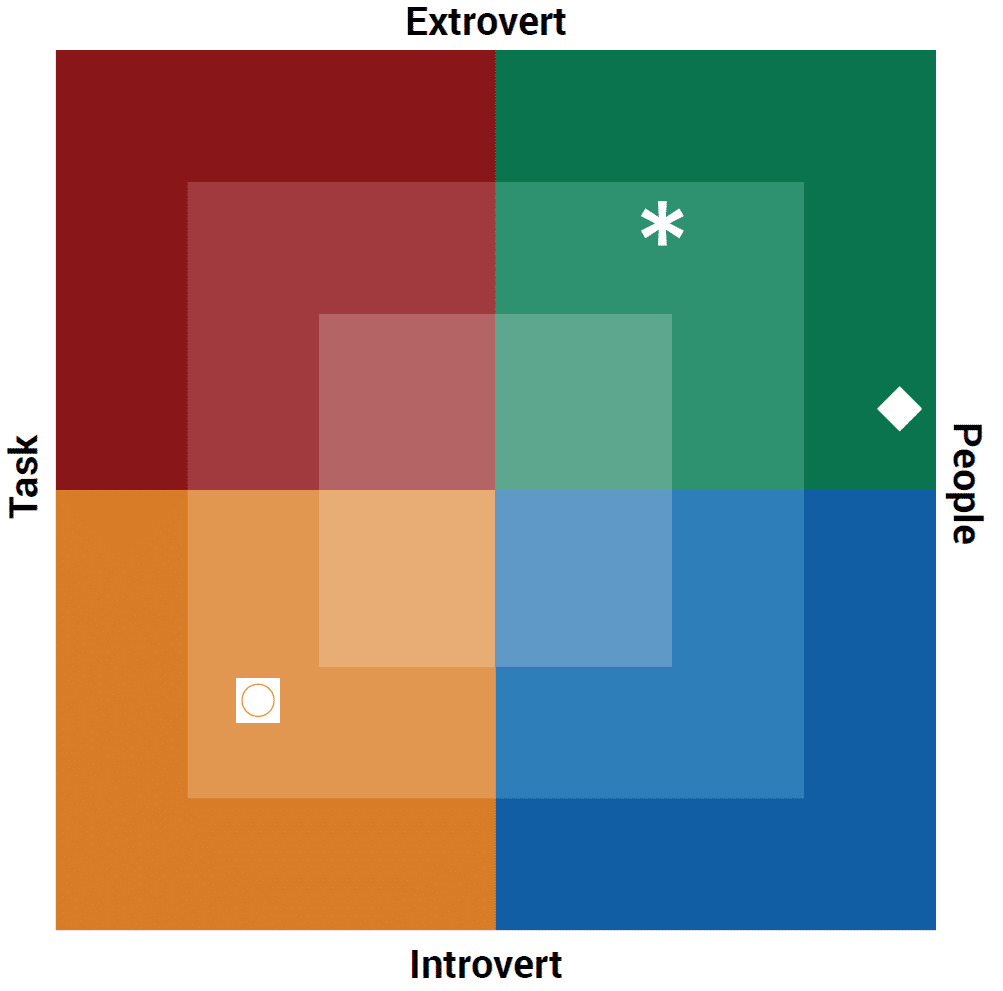
The Birkman Map is a visual snapshot that helps you quickly understand style differences.
- Map axes:
- Top to bottom: Extroversion ↔ Introversion
- Left to right: Task-Orientation ↔ People-Orientation
- Four map symbols:
- Diamond (◆) – Usual Behavior: how you typically approach tasks and relationships
- Circle (●) – Needs: the environment where you feel most productive and comfortable
- Asterisk (*) – Interests: the kind of work you naturally gravitate toward
- Square (■) – Stress Behavior: how you may react when needs aren’t met
Birkman Colors (a simple shared language)
Colors are a quick way to describe preferences and tendencies on the map. People may show more than one color across different symbols.
| Color | Often associated with | Common theme |
|---|---|---|
| Red | Doer | Action, energy, practical results |
| Green | Communicator | Persuading and communicating with people |
| Blue | Thinker | Innovation, creativity, ideas |
| Yellow | Analyzer | Order, procedures, systems |
Reports and interpretation
Birkman offers multiple report options depending on how your organization uses the assessment.
- Self-interpreted reports: Basics and Careertyping reports are designed to be read on your own, with clear, brief takeaways.
- Facilitated reports: If you receive a Signature report, it is typically interpreted with a Birkman Certified Professional due to the depth and complexity of the data.
If you’re taking Birkman as part of hiring, your recruiter or employer will usually tell you which report you’ll receive and whether a feedback session is included.
Birkman Assessment FAQs
The Birkman Assessment is an online personality and work-style questionnaire used to understand how you typically behave, what you need to do your best work, and how stress may affect your behavior. Employers and coaches may use it for hiring-related conversations, development, and team communication.
The Birkman Method is the framework behind the assessment and its reports. Results are commonly summarized across areas such as your usual style, workplace needs, stress reactions, and work-related interests (report layouts and terminology can vary).
No. There are no right or wrong answers. The value comes from answering honestly so the results reflect your natural tendencies and preferences.
Sometimes. If you take it through an employer, recruiter, or organization, they may cover the cost. If you take it independently, pricing depends on the report type and who administers it.
It is not a timed exam, but most people complete it in about 30 minutes.
Your results are typically provided through the organization or consultant who invited you to take the assessment. When and how you receive your report depends on the report type and the process used by the administrator.
The questionnaire typically includes 298 questions.
It is administered online. You’ll usually take it using a link from your employer, recruiter, or consultant on a computer with a reliable internet connection.
It isn’t timed. You can take your time, but it’s best to complete it in one sitting if possible so your answers stay consistent.
Birkman Assessment Test Tips
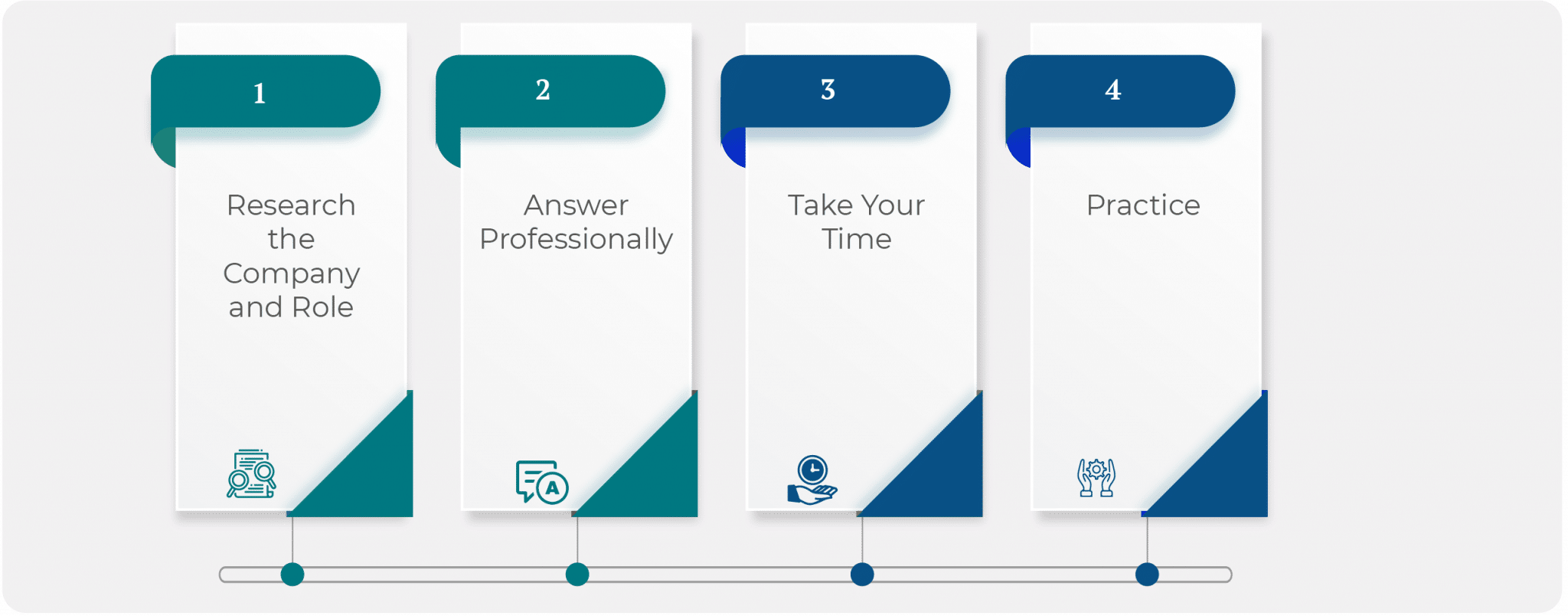
Research the company and role
You can’t “fail” the Birkman Assessment, but your results may be used to support hiring decisions. Review the job description and company culture so you can answer with the role in mind—and so you can judge whether the environment is a good fit for you.
Answer honestly and consistently
Don’t try to guess the “right” personality. The most useful results come from answers that reflect how you typically behave at work, not how you wish you looked on paper.
Pace yourself
The assessment isn’t timed, but most people finish in about 30 minutes. Work steadily, avoid overthinking, and try to complete it in one sitting so your responses stay consistent.
Practice for familiarity (not to “game” it)
If you want to reduce nerves, try a few general personality-style questionnaires online to get comfortable with statement-based and preference questions. Use practice to understand the experience—not to tailor answers to what you think the employer wants.
Administration
Test Location: The Birkman Assessment is administered online, so you can typically complete it from any quiet location with a reliable internet connection (unless your employer specifies otherwise).
Test Schedule: If you’re taking Birkman for hiring, it’s usually one step in the recruitment process and is scheduled by the employer or recruiter.
Test Format: The Birkman Assessment is a questionnaire (not a pass/fail exam). Item formats can vary by form and report type, but you may see statement-style items and preference/ranking items.
Test Materials: You’ll generally only need a computer and a stable internet connection. No additional materials are required.
Cost: Cost varies by report type and who administers it. In employer-led hiring, the employer or recruiter often provides access as part of the process.
Retake Policy: Retakes depend on the organization administering the assessment and the employer’s recruitment policy.
Test Provider
Birkman International is a behavioral and occupational assessment company founded by organizational psychologist Dr. Roger W. Birkman in 1951. Its assessments are used by organizations worldwide to support hiring and development decisions by helping describe workplace behavior patterns, needs, and interests.
The Birkman questionnaire is administered online and is available in 25 languages. It is commonly used in leadership development, human resources, organizational development, and coaching, with report types and use cases varying by organization and administrator.
Disclaimer – All information and preparation materials provided on iPREP are created for tutoring purposes only. iPREP is not affiliated with Birkman International, The Birkman Method, or any trademark, product, or organization mentioned on this page.
Free Birkman Assessment Practice Test
Start with free Birkman Assessment practice questions that give you a clear feel for the statement-based and preference-ranking format used in the real assessment. The free practice introduces common Birkman-style tasks such as True/False personality statements, “I…” and “Most people…” items, work-style preferences, ranking questions, and interest-based choices.
Use the free practice to understand the question format, response style, and level of self-reflection expected before moving into full preparation. For complete practice, iPREP’s full Birkman course includes realistic practice questions, detailed explanations, video lessons, and targeted guidance for the main Birkman assessment areas.
Personality Statement 1 of 4
I often worry about my past mistakes –
- True
- False
This statement examines how guilt-free you are. It tries to assess whether you are quick to justify yourself after making a mistake or whether you are prone to worry about past mistakes.
If you answered “True” and you would answer similarly in other cases, it means that you are mistake-averse and tend to feel guilty about your mistakes. It also means that you will do your best to avoid them.
This is an important quality for people who deal with science and very expensive materials, and any mistake of theirs might be costly for the employer. On the other hand, it is not a highly needed quality for online marketers who practice trial and error quite a lot.
Personality Statement 2 of 4
I prefer spending time with open and outgoing people –
- True
- False
This statement assesses how likely you are to enjoy being in a work environment with high social interaction.
If you agreed with the statement, you may prefer working closely with people and wish to avoid working on your own. If you are neutral about the statement, then maybe you can appreciate jobs with different measures of social interaction.
Personality Statement 3 of 4
Most people have hidden motives when they offer help –
- True
- False
This statement tries to assess from a social perspective how cynical you are, whether you are prone to doubt others’ intentions and assume they have bad ulterior motives. Generally, it may reflect various aspects of trust or mistrust.
People who tend to agree with similar statements are prone to negativity and are quarrelsome. People who tend to disagree may not examine others’ true intentions carefully enough.
Personality Statement 4 of 4
| Which job do you prefer? Rank the job titles in order from most desired to least desired. |
|---|
| Laboratory Technician |
| Firefighter |
| Actor |
| Financial Consultant |
This statement is meant to evaluate your occupational interests and compare them to the requirements of your desired job. If there is alignment between the two, it suggests that you may be a good fit for the position. For instance, a laboratory technician position indicates interest in scientific work, a firefighter position indicates interest in outdoor work, an actor position indicates interest in artistic work, and a financial consultant position indicates interest in financial work.